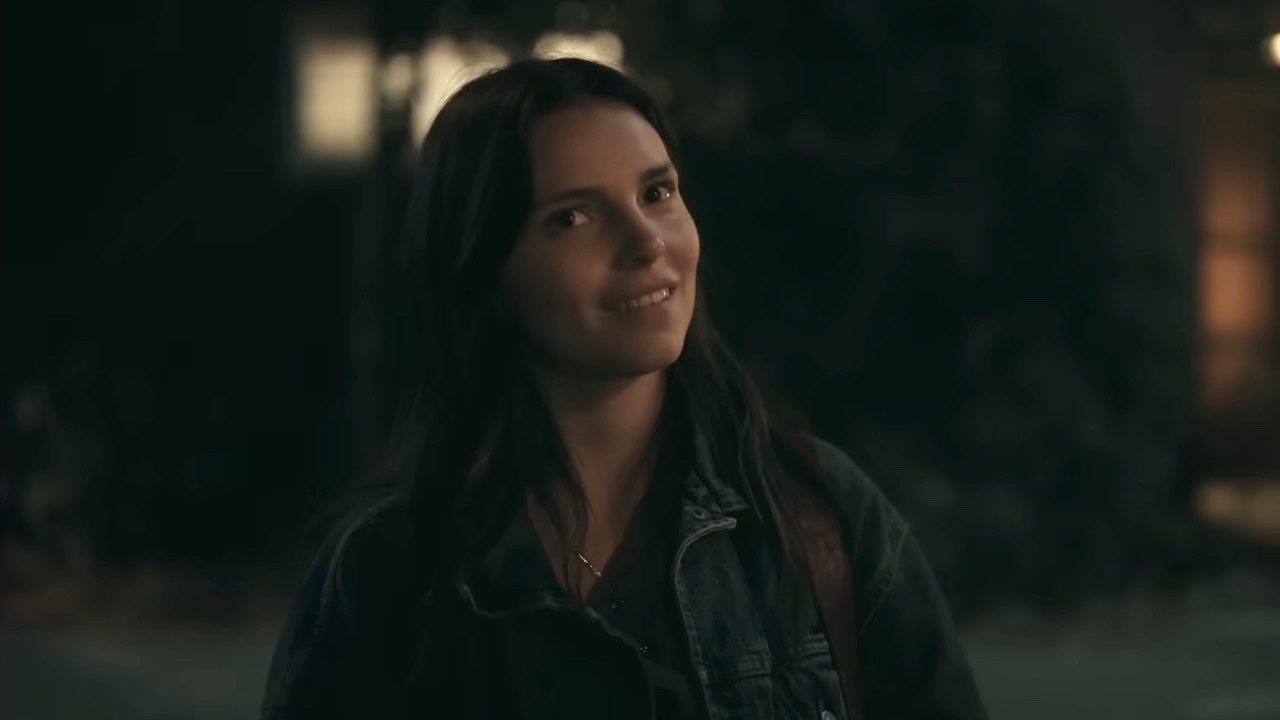
There are franchise films, and then there's Obsession. On its surface, a horror film. At its core, something closer to the impossible. Nothing stirred a bigger whirlpool of questions — and perhaps unease — than a film made for under a million dollars crossing four hundred million at the box office. Whether that was by design or sheer luck, I imagine there were executives quietly asking themselves how they missed this asteroid buried in the forest of indie projects.
For starters, Curry Barker — director, editor, and writer — built his audience long before Obsession. Comedy skits shot in his backyard. Short films on off-days. We forget, at some point, he was a Starbucks barista. A kid from California doing what every kid in California does: film.
I've turned this over in idle moments. Can anything top this? And how often does someone feel the sophomore slump coming, or spend time dreading it? As someone who hasn't made their Hollywood debut yet, that fear sits closest to me. There are stories in the chamber, locked and loaded, waiting for the right moment — but the trick is realizing there is no right moment. The only time is now. You make the film with whatever luck and dollars you have, and you deliver it like the screens haven't seen anything like it. Because maybe they haven't.
Obsession isn't just good lighting and color grading. It's exactly that — delivery. From the performances to the marketing, delivery is what builds that kind of momentum. So does that mean everyone should start a YouTube channel, build a following through comedy skits, and leverage that audience into a budget for an indie horror film? Sort of.
With anything that gains traction comes the trends. Obsession and Backrooms, each in their own lane, are trend-setting films. Audiences — especially younger ones — felt that gravitational pull. A young man desperate for love but going about it in all the wrong ways. The insecurities of every character, the things that frighten them, the arc each one takes toward a goal or a mission — it all felt personal, grounded, and real.
I don't know if Hollywood will give another Obsession its moment. But what I can say with certainty — for myself and anyone reading — is this: if the story won't leave you alone, if it kept you on edge just writing or creating it, then it has a place. For as long as we stay quiet in our own creative worlds, we risk losing that rhythm to the noise of reboots and movies about movies. So this time, make it personal. Make it special. Make it real.